Roads & Infrastructure
Reinforcement for RCC roads, pavements, highway slabs and related infrastructure where corrosion resistance is important.
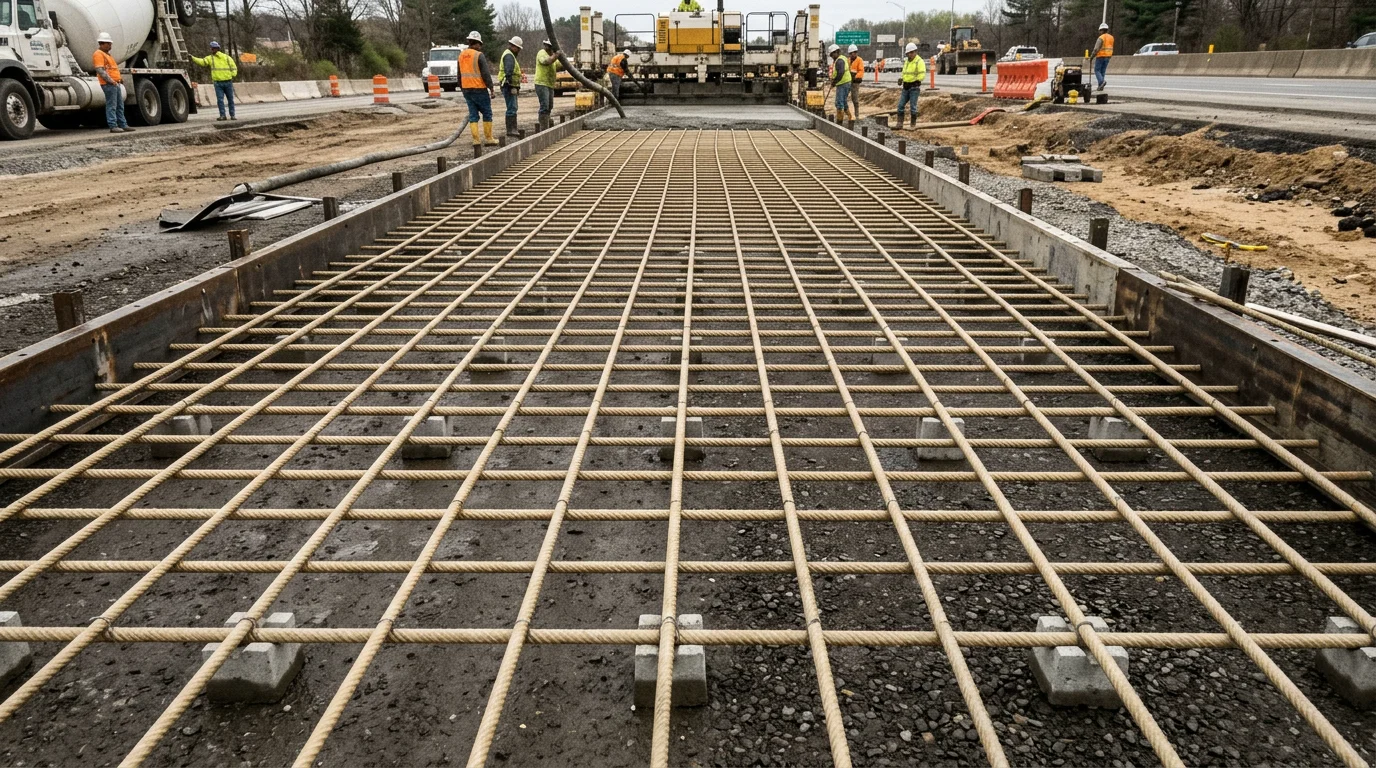
Highways & Transport
Built for Challenging Reinforcement Environments
GFRP Rebar is particularly relevant where reinforcement is exposed to moisture, chlorides or chemicals, or where non-metallic reinforcement is preferred. From everyday construction to demanding marine and industrial projects, Avenza GFRP Rebar supports a broad range of applications.
Reinforcement for RCC roads, pavements, highway slabs and related infrastructure where corrosion resistance is important.
Highways & Transport
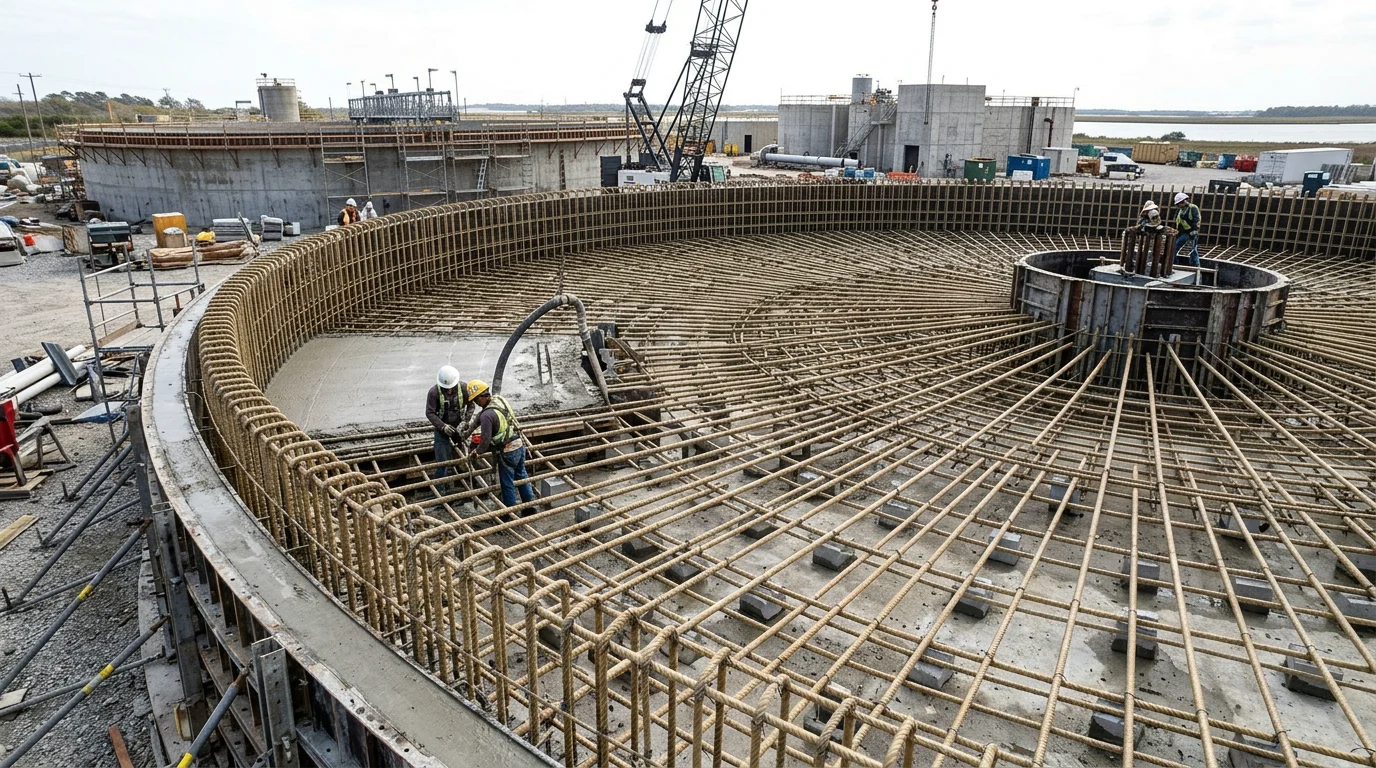
A practical reinforcement option for pools, tanks, STP structures and coastal concrete where steel corrosion can be a concern.
Water & Wastewater
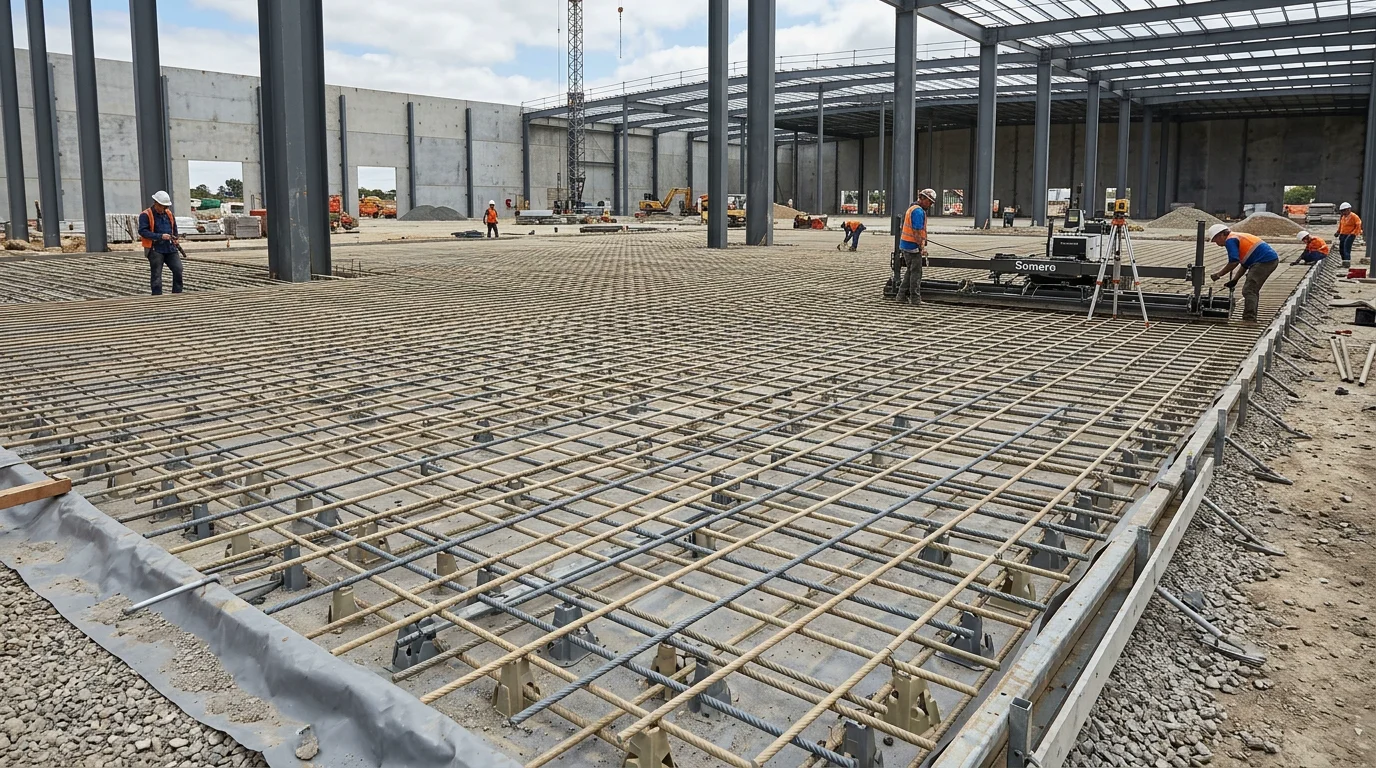
Corrosion-resistant reinforcement for floors, warehouses and factories exposed to demanding service conditions.
Industrial & Warehousing
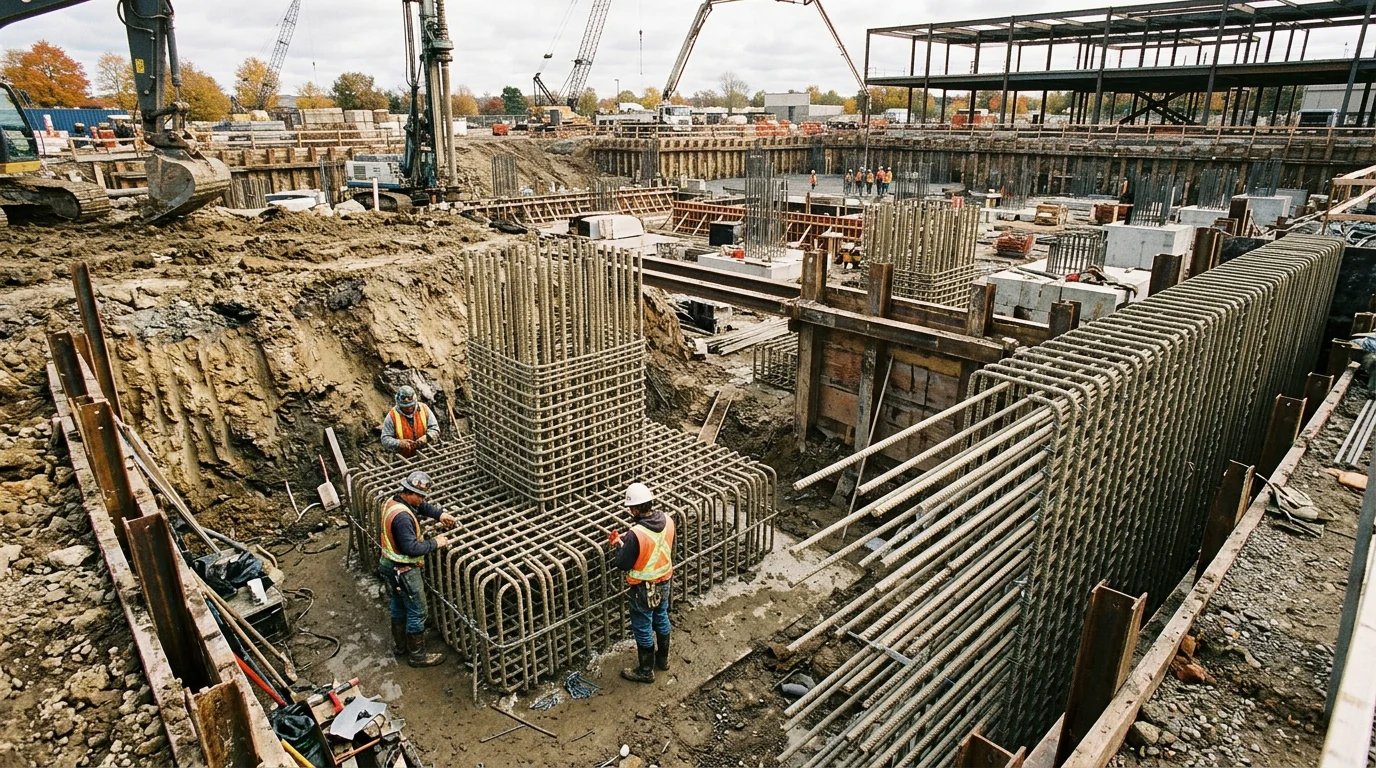
Lightweight, non-corrosive reinforcement for foundations, base slabs and concrete exposed to moisture.
Foundations & Civil
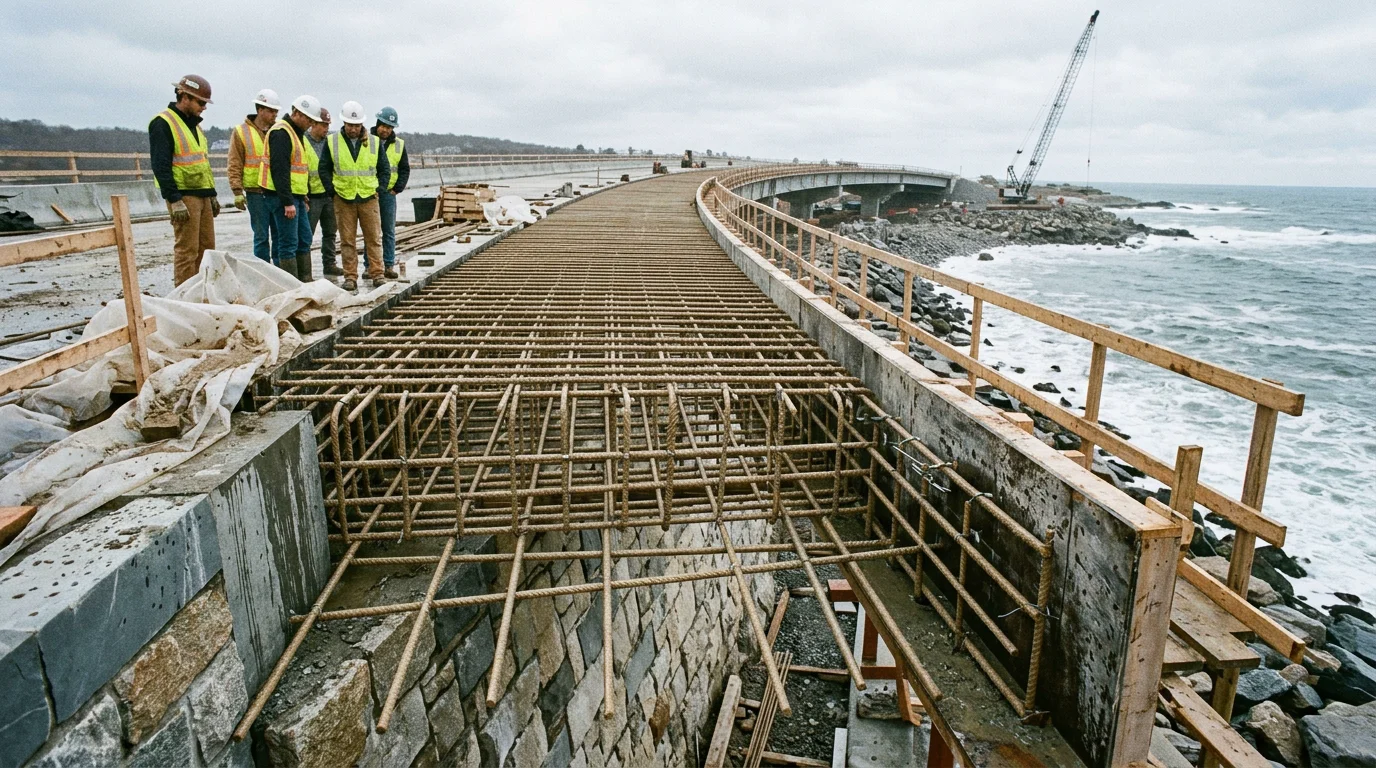
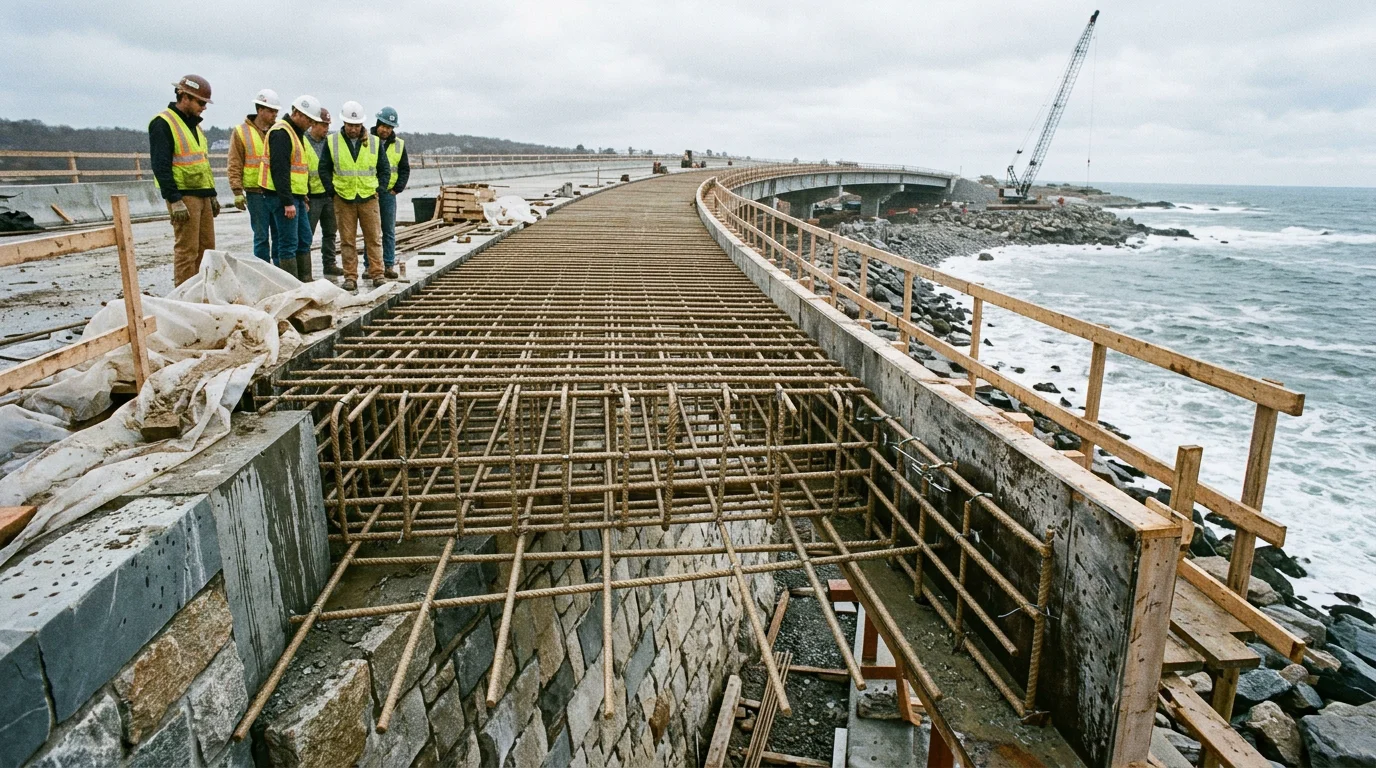
Non-metallic reinforcement for concrete exposed to saltwater, moisture and chlorides.
Bridges & Coastal Defense
Engineered physical properties that deliver unmatched operational durability, structural safety, and lifecycle financial savings in demanding concrete structures.
Completely impervious to chlorides, salt spray, moisture, and aggressive soil conditions without sacrificial zinc anodes or expensive protective coatings.
Exceeds double the yield strength of Fe500 carbon steel at roughly 25% the weight, dramatically reducing structural dead load and crane operations.
Electromagnetically transparent with zero electrical conductivity. Ideal for substation yards, automated rail signaling, MRI suites, and airport runways.
Prevents internal concrete tensile splitting caused by steel oxidation. Maximizes asset uptime and eliminates repetitive pothole and spall repairs.
GFRP rebar is an elastic-brittle composite with distinct structural mechanics compared to ductile steel. Concrete reinforcement ratios, crack width limits, shear detailing, and development lengths should follow dedicated composite codes rather than direct 1-to-1 steel substitution.
Project-specific GFRP reinforcement should be selected, detailed, and reviewed by a qualified structural engineer based on the application, loading conditions, exposure environment, and applicable design requirements.
Share your structural drawings or reinforcement schedule with our Morbi plant technical team for optimized bar sizes, weight schedules, and certified test reports.
Consult Engineering Team →